 technical skill
Building AI Workflows with Claude Cowork Skills
Brock Mesarich | AI for Non Techies
YouTube creator
Dan Smith
Chief Learning Officer at Winning by Design
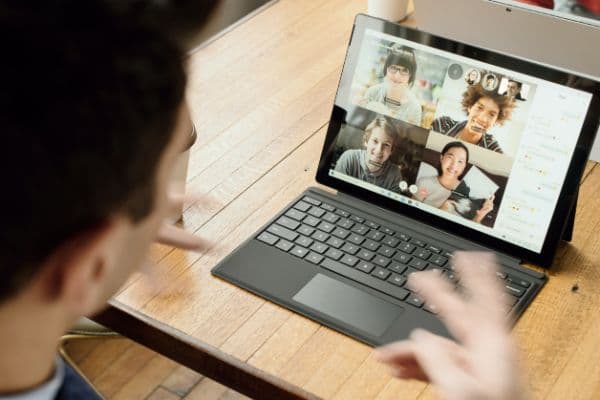
In today's fast-paced world, running a remote demo is an essential skill for sales reps. With the right approach, you can create an engaging and impactful presentation that resonates with your prospects. This comprehensive guide breaks down the key steps to master the art of remote demos and leave your audience impressed.
Just like any successful endeavor, running a remote demo begins with meticulous preparation. However, it differs from traditional in-person demos. Instead of showing live presentations, you'll be working on a captivating slide deck.
To deliver a compelling remote demo, it's essential to follow a structured approach.
An engaging remote demo is critical to success. To keep your prospects engaged, follow these steps:
One common mistake during remote demos is delivering monologues. Instead, engage your prospects with these techniques:
As a sales professional, you might not be the one directly conducting the demo. In such cases, align with your sales engineer or technical specialist to ensure you both follow the same principles. This teamwork can drive urgency and consensus among your prospects, ultimately leading to successful stakeholder meetings.
In conclusion, mastering the art of running a remote demo is crucial for sales reps looking to impress their prospects and close deals. By following these comprehensive steps, you can create engaging, effective, and impactful remote demos that leave a lasting impression. Remember, the ability to adapt and excel in the remote sales landscape is a key differentiator in today's competitive market. It's time to embrace these techniques and take your sales game to the next level.
Free plan, no credit card. Watching opens this session in the Triple Session app.
technical skillBrock Mesarich | AI for Non Techies
YouTube creator
 technical skill
Eric Nowoslawski
YouTube creator
 technical skill
Oleg Melnikov
YouTube creator
How Triple Session works
Coaching fails when it is an event. Triple Session turns it into a loop: measure the gap, train against it, and check whether the next call moved.
01
Every call is recorded and scored against your own playbook, so the distance between what your team says and what the playbook asks for stops being a guess.
02
Patterns roll up across reps, deals, and objections. You see which behavior is costing pipeline, not just which rep is behind.
03
Training is assigned against that specific gap: short, expert-led sessions tied to the behavior you just measured.
04
Managers coach from evidence instead of memory. A scorecard, the moment in the transcript, and the one thing to practice next.
Start with the free plan and run the loop on your own playbook. No credit card, no procurement conversation.