 technical skill
Building AI Workflows with Claude Cowork Skills
Brock Mesarich | AI for Non Techies
YouTube creator
Dan Smith
Chief Learning Officer at Winning by Design
In the world of modern sales, the art of delivering a compelling remote demo is essential. Successful sales reps understand that a remote demo isn't just about showcasing a product; it's a strategic move to help prospects visualize how their problems can be solved. To execute this effectively, they utilize slide decks, but in remote meetings, the challenge is to ensure that these slides engage and resonate with the audience. In this comprehensive guide, we'll delve into best practices for remote demos that guarantee success.
Begin your remote demo with a bang. The first slide should be an executive summary. This slide provides a quick snapshot of your prospect's situation, the challenges they aim to overcome, the desired impact, and even a ballpark estimate of costs. In this single slide, you offer executives a holistic view of the forthcoming discussion.
Too often, presenters focus on their company's history, achievements, and logos. However, what truly matters to your clients is themselves. To create rapport and demonstrate your expertise, ensure your executive summary slide revolves around your client. Show them that you understand their needs and aspirations, making it all about them. Add elements of social proof for an extra layer of credibility.
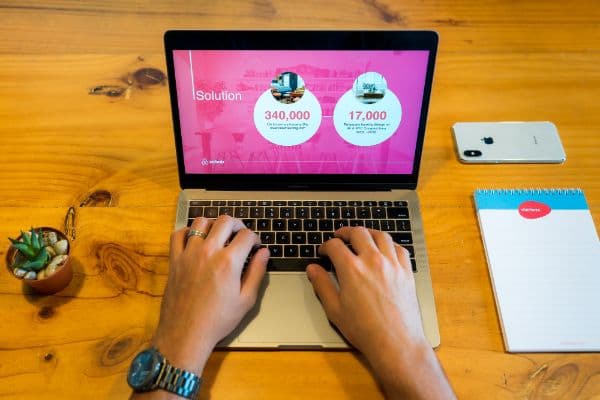
A common mistake in remote demos is cluttered slides filled with text. Such slides are hard to read and diminish the audience's engagement. To counter this, focus on one specific point per slide or let your prospects know that you'll provide the slide deck after the session. Ensure that every slide is crisp, clear, and purpose-driven. Clarity is key.
A successful demo should be more than just a presentation; it should be a conversation. Use it as an opportunity to continue diagnosing your prospect's needs. Avoid turning it into a one-sided pitch about what you want to showcase. Instead, allow customization by your prospects. Share stories, take them on a simplified hero's journey, and demonstrate how problems were solved. Always conclude with a clear and actionable next step.
In conclusion, remote demos are a powerful tool in a sales rep's arsenal. When executed with precision, they can be the difference-maker in closing deals. The key lies in putting the prospect's needs at the forefront, ensuring your presentation is client-centric, and delivering a compelling story. Moreover, it's essential to design slides that are clear, concise, and engaging. Lastly, transform your demo into a conversation to foster engagement, foster trust, and drive actionable next steps. By following these best practices, you'll unlock the full potential of remote demos and elevate your sales game.
Remember, the ability to adapt and excel in remote sales presentations is a valuable skill in today's competitive market. It's time to embrace these techniques and take your sales performance to the next level. Master the art of remote demos and watch your success as a sales rep skyrocket.
Ready to become a master of remote demos? Watch this session to delve even deeper into the art of remote demos, and take your sales skills to the next level.
Free plan, no credit card. Watching opens this session in the Triple Session app.
technical skillBrock Mesarich | AI for Non Techies
YouTube creator
 technical skill
Eric Nowoslawski
YouTube creator
 technical skill
Oleg Melnikov
YouTube creator
How Triple Session works
Coaching fails when it is an event. Triple Session turns it into a loop: measure the gap, train against it, and check whether the next call moved.
01
Every call is recorded and scored against your own playbook, so the distance between what your team says and what the playbook asks for stops being a guess.
02
Patterns roll up across reps, deals, and objections. You see which behavior is costing pipeline, not just which rep is behind.
03
Training is assigned against that specific gap: short, expert-led sessions tied to the behavior you just measured.
04
Managers coach from evidence instead of memory. A scorecard, the moment in the transcript, and the one thing to practice next.
Start with the free plan and run the loop on your own playbook. No credit card, no procurement conversation.