 technical skill
Building AI Workflows with Claude Cowork Skills
Brock Mesarich | AI for Non Techies
YouTube creator
Dan Smith
Chief Learning Officer at Winning by Design
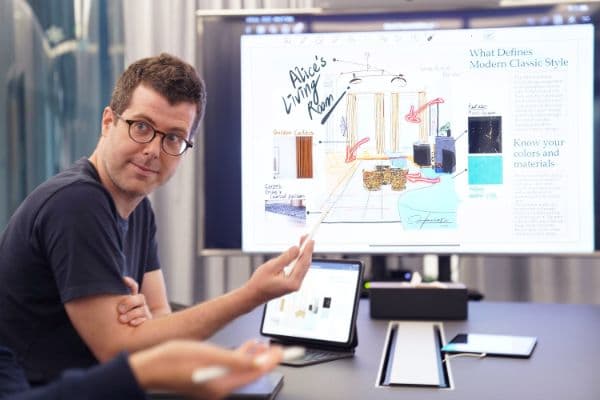
In today's digital age, sales reps often find themselves conducting online demos to showcase their products or services to potential clients. The success of these sessions largely depends on how well the sales representative can engage and interact with their audience. One crucial aspect to master is the art of screen sharing. In this comprehensive guide, we will delve into the best practices for sales reps when sharing screens during demos, ensuring a seamless and impressive presentation that captivates your audience.
When conducting a sales demo, the first impression counts. The very moment you share your screen, your viewers' attention is immediately drawn to what's on your desktop. Therefore, it's essential to streamline your setup to display only what's necessary. Here's how you can optimize your screen-sharing setup:
To prevent any hiccups during your session, adopt a tab-based approach. Preload the tabs you'll use in the order they will appear. This not only minimizes the risk of technical issues but also ensures a smooth and organized flow throughout your presentation.
Avoid sharing your entire desktop, especially if you have a large monitor, and your viewer has a smaller one. Sharing only the relevant window ensures your audience can focus on the key content without distractions.
It's easy to get caught off guard by text messages or other distractions. Be sure to disable notifications or use incognito mode in your browser to maintain a professional and distraction-free environment.
A successful sales demo requires meticulous preparation. Here are some essential steps to consider:
Whether you're showcasing slides, videos, or audio, ensure that everything is preloaded and ready. A smooth transition between content keeps the momentum going and maintains the viewer's interest.
Don't leave anything to chance. Plan every aspect of your demo to minimize fumbling or delays. A well-prepared sales rep exudes professionalism and competence.
Engaging your audience is critical during a sales demo. Here's a technique that can make a significant difference:
When you have a screen with multiple elements, such as a webpage or dashboard, guide your viewers effectively. For instance, direct their focus by saying, "On the left, you'll see this, on the right, this," and highlight what you want them to concentrate on.
Empower your viewers by encouraging questions and exploration. After presenting your content, invite them to ask questions or explore specific areas that interest them. This approach gives them a sense of control and engagement, turning your sales demo into a collaborative experience.
Mastering the art of screen sharing during sales demos is essential for sales reps who want to leave a lasting impression. With strategic preparation, organization, and engagement, you can establish yourself as a sales professional that whom clients are eager to connect. To delve deeper into these techniques and improve your sales demos, watch this session to learn more about best practices in action. Elevate your sales game and watch your success soar!
Free plan, no credit card. Watching opens this session in the Triple Session app.
technical skillBrock Mesarich | AI for Non Techies
YouTube creator
 technical skill
Eric Nowoslawski
YouTube creator
 technical skill
Oleg Melnikov
YouTube creator
How Triple Session works
Coaching fails when it is an event. Triple Session turns it into a loop: measure the gap, train against it, and check whether the next call moved.
01
Every call is recorded and scored against your own playbook, so the distance between what your team says and what the playbook asks for stops being a guess.
02
Patterns roll up across reps, deals, and objections. You see which behavior is costing pipeline, not just which rep is behind.
03
Training is assigned against that specific gap: short, expert-led sessions tied to the behavior you just measured.
04
Managers coach from evidence instead of memory. A scorecard, the moment in the transcript, and the one thing to practice next.
Start with the free plan and run the loop on your own playbook. No credit card, no procurement conversation.